NAIST / Biomedical Imaging Intelligence Laboratory NAIST / 生体画像知能研究室

AI for the next era of biomedical imaging. 次世代の医用画像を切り拓くAI。

We design intelligent systems for segmentation, reconstruction, registration, and clinically grounded image understanding across radiology and intervention.

セグメンテーション、再構成、位置合わせ、そして臨床現場に根ざした画像理解まで、放射線画像と治療支援のための知能システムを設計します。

Bii Lab logo
Realtimeリアルタイム Clinical AI pipelines臨床AIパイプライン
Cross-disciplinary学際融合 Imaging x Intelligence x Medicine画像 x 知能 x 医療

Latest Research最新研究

Actual projects, not just umbrella categories.カテゴリではなく、実際の研究プロジェクトを紹介。

The homepage highlights individual research efforts pulled from the CMS, while categories remain available as filters on the research page.

ホームページではCMSで管理される個別研究を表示し、カテゴリは研究ページでのフィルターとして機能します。

01

Spatiotemporal Analysis of Swallowing Movement via 4DCT4DCTを用いた嚥下運動の時空間分析

This project focuses on the spatiotemporal analysis of swallowing mechanics using four-dimensional computed tomography (4DCT), a dynamic imaging modality that acquires volumetric CT data at multiple successive time points to capture the motion of anatomical structures over time. Swallowing is a highly coordinated neuromuscular process involving the simultaneous movement of dozens of structures including the tongue, hyoid bone, larynx, pharynx, and esophagus. Dysphagia — impaired swallowing — is a clinically important condition associated with aspiration pneumonia, malnutrition, and reduced quality of life, particularly in elderly and neurologically impaired populations. A precise, quantitative understanding of swallowing kinematics is therefore essential both for clinical diagnosis and for the development of targeted rehabilitation strategies.

本研究は、四次元CT(4DCT)を用いた嚥下動態の時空間分析に取り組んでいます。4DCTは連続した複数の時点で体積CTデータを取得する動態撮像モダリティであり、解剖学的構造の動きを経時的に捉えることができます。嚥下は、舌・舌骨・喉頭・咽頭・食道など多数の構造が関与する高度に協調されたの神経筋プロセスです。嚥下障害(嚥下困難)は誤嚥性肺炎・栄養不良・QOL低下と関連する臨床的に重要な状態であり、特に高齢者や神経障害患者に多く見られます。

Open research track研究を見る

02

Sex and Age-related Analysis of Cortical and Trabecular Bone Density in the Femur and Lumbar Spine Using a Large-scale CT Database大規模CTデータベースを用いた大腿骨と腰椎における皮質骨・海綿骨密度の性別・年代別解析

This project extends the analysis of cortical and trabecular bone mineral density (BMD) to explicitly incorporate sex as a stratification variable, building on a dataset of 110 subjects aged between 50 and over 90 years with a female-dominant composition reflecting the clinical epidemiology of osteoporosis. The inclusion of both male and female subjects across multiple age decades enables a rigorous investigation of how biological sex modulates the trajectory of age-related bone loss in each of the two main bone compartments and at two clinically important skeletal sites — the proximal femur and the lumbar spine.

本研究は、50歳から90歳超にわたる110名(骨粗鬆症の臨床疫学を反映した女性多数構成)のデータセットを基に、皮質骨・海綿骨のBMD解析に性別を層別化変数として明示的に組み込んだ拡張研究です。複数の年代にわたる男女被験者の包含により、生物学的性別が各骨区画の年代別骨量減少軌跡にどのような影響を与えるかを厳密に調査することが可能となっています。

Open research track研究を見る

03

Depthmap-based 2D–3D Reconstruction of the Hand Bones from a Single-View Radiograph for the Diagnosis of Deformity and Treatment Planning変形診断と治療計画のための単一X線画像からの深度マップを用いた手骨の2D-3D再構成

This project focuses on the reconstruction of a metrically accurate three-dimensional representation of hand bones from a single X-ray image, which is a fundamentally ill-posed problem due to the loss of depth information inherent to 2D radiographic projection. In a standard X-ray, multiple 3D structures are compressed along the projection rays into a single image, making it impossible to directly recover the original geometry without additional assumptions or learned priors. Nevertheless, solving this problem has strong clinical relevance, particularly for deformity assessment and surgical planning, where access to 3D information is crucial but CT acquisition may be costly, time-consuming, or associated with higher radiation exposure.

本研究は、単一X線画像から手骨の計量的に正確な三次元表現を再構成することを目的としています。これは2D放射線投影に固有の深度情報の損失により根本的に不良設定な問題です。標準的なX線では複数の三次元構造が投影光線に沿って単一画像に圧縮されるため、追加の仮定や学習済み事前情報なしに元の形状を直接回復することは不可能です。しかし、この問題の解決は臨床的に強い関連性を持ちます。特に変形評価と外科的計画において三次元情報へのアクセスが重要ですが、CT撮影はコストや時間・より高い被ばく線量の問題があります。

Open research track研究を見る

Lab Vision研究室のビジョン

Research that starts with medical need, not demo aesthetics.見た目のデモではなく、医療現場の課題から始まる研究。

Established on May 1, 2024, Bii Lab advances foundational AI techniques motivated by real clinical workflows. The objective is not generic image AI. It is high-value biomedical imaging intelligence that can support diagnosis, treatment, and planning.

Bii Lab は2024年5月1日に発足し、実際の臨床ワークフローに根差した基盤AI技術を推進しています。汎用的な画像AIではなく、診断・治療・計画を支える高価値な医用画像知能を目指します。

We work across image big data, model-based analysis, and decision-support systems to translate biomedical imaging into actionable tools for future healthcare.

画像ビッグデータ、モデルベース解析、意思決定支援システムを横断し、医用画像を未来の医療で使える実践的なツールへと変えていきます。

Approachアプローチ

Physics-aware intelligence物理を踏まえた知能化

Learning systems that respect anatomy, geometry, and acquisition constraints.解剖、幾何、撮像条件を尊重する学習システム。
Cultureカルチャー

Interdisciplinary by default学際連携が前提

Students, clinicians, and collaborators work across boundaries instead of inside silos.学生、臨床家、共同研究者が分野の壁を越えて協働します。

Outcome成果

Clinical relevance臨床的な有用性

Research is framed around usefulness in diagnosis, planning, and intervention support.研究は診断、計画、治療支援での有用性を軸に設計されます。

Inside The Lab研究室の内側

Modern methods, human mentorship, serious collaboration.現代的な手法、丁寧な指導、本気の共同研究。

Student Perspective学生の視点

The lab gives students room to work across image processing, machine learning, and medical collaboration while building practical research skills quickly.
画像処理、機械学習、医療連携を横断しながら、実践的な研究力を素早く身につけられる環境です。
Based on the senior student message from the original site.旧サイトの先輩メッセージを再構成しています。

Biomedical imaging visualization

Opportunities募集情報

Graduate recruitment is open.大学院生を募集しています。

Students from different backgrounds are welcome. The field is inherently interdisciplinary, and the lab encourages new entrants into biomedical imaging intelligence.

専門分野を問わず歓迎します。医用画像知能は本質的に学際的な領域であり、新しい背景を持つ学生の参加を強く歓迎しています。

Peopleメンバー
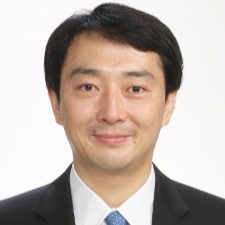
Faculty, students, and collaborators driving the work.研究を動かす教員、学生、共同研究者たち。

Yoshito Otake
Ph.D.准教授

Yoshito Otake

大竹 義人

教職員

Gu Yi
Ph.D.助教

Gu Yi

谷 懿

教職員

Mazen Soufi
Ph.D.客員助教

Mazen Soufi

Mazen Soufi

教職員

Connectつながる

See the work, visit the lab, or start a conversation.研究を見る、研究室を訪れる、あるいは会話を始める。